
Cultivation Camps
Student-Led STEM Experiences for K-12 Learners
Inspiring the Next Generation
Our cultivation camps provide underrepresented students in STEM access to high-quality teaching and training. Students ranging from K-12th grade can participate in 1-2 week camps focused on topics like basic circuits, intro to programming, and robotics.
The goal is to provide students with an experience that drives them to continue in STEM and equip them with a solid foundation to do so. Our student-led camps introduce younger students to STEM through hands-on robotics, coding, and design experiences.
Designed to cater to multiple learning styles, these camps create an environment where students can thrive—sparking curiosity, building foundational skills, and expanding STEM access to underrepresented communities.
Camp Structure
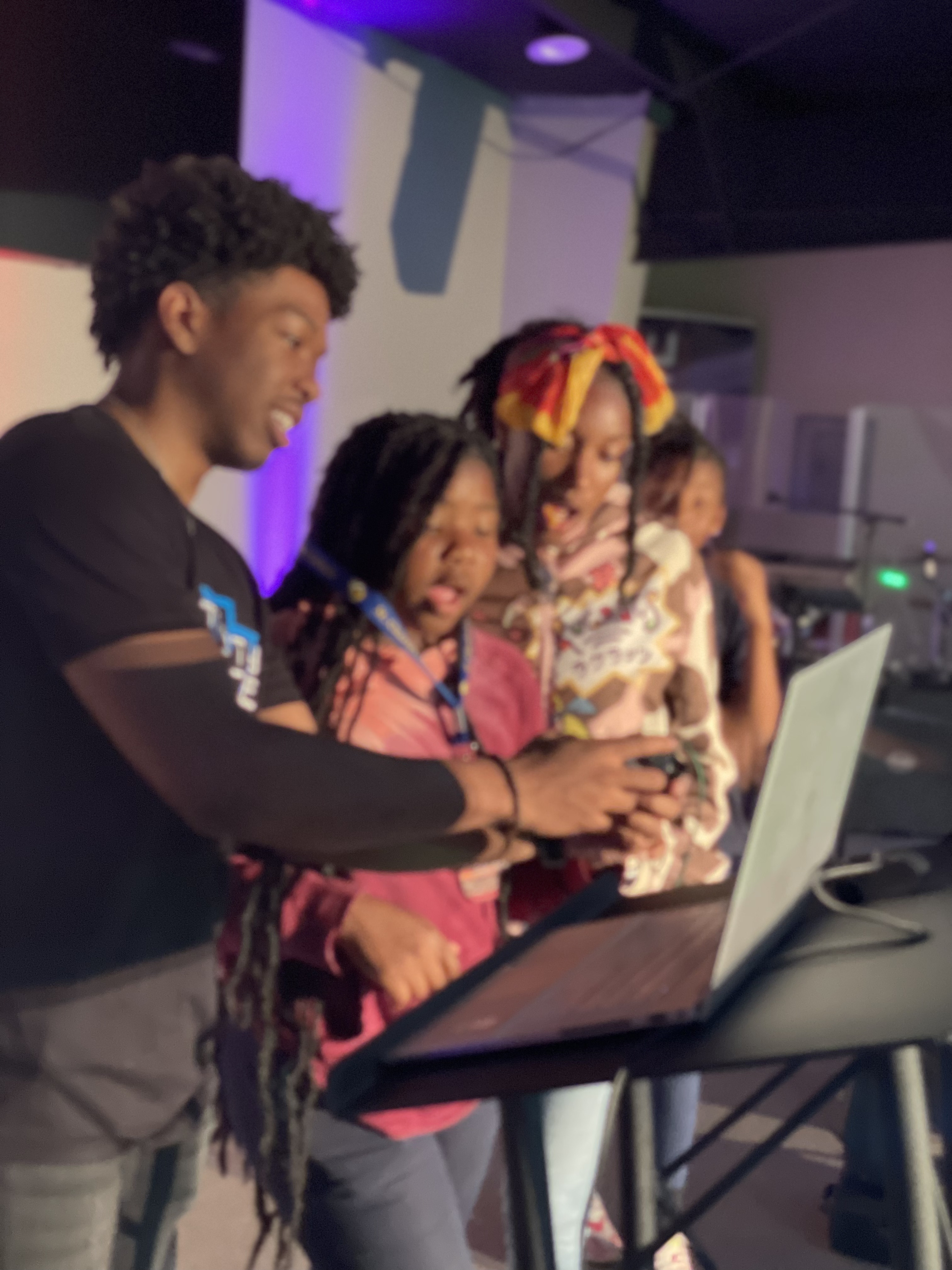
Students from our robotics teams run these camps annually, mentoring younger students and inspiring early interest in engineering, robotics, and technology.
1-2 Week Sessions
Intensive hands-on learning experiences designed to maximize engagement and skill development in a short timeframe.
K-12 Grade Levels
Age-appropriate curriculum tailored to different developmental stages, from elementary through high school.
Student-Led Instruction
High school robotics team members serve as mentors, developing their own leadership and teaching skills.
What Students Learn
Hands-On Robotics
Students build small-scale robots and learn the fundamentals of mechanical systems, movement, torque, and automation. Kits include VEX, LEGO Mindstorms, and other educational robotics platforms.
Coding Fundamentals
Introduction to programming concepts through visual block-based coding and text-based languages. Students learn logic, loops, conditionals, and problem-solving.
3D Printing & Design
Introduction to additive manufacturing and computer-aided design. Students learn to create digital models and print their own designs.
Basic Circuits & Electronics
Explore electricity, circuits, sensors, and basic electronic components through hands-on projects and experiments.
Engineering Design Process
Learn to identify problems, brainstorm solutions, prototype, test, and iterate—developing critical engineering thinking skills.
Teamwork & Communication
Collaborate with peers on group projects, present findings, and develop essential soft skills for future success.

Our Impact on Communities
By offering accessible STEM education, these camps help students develop leadership, communication, and teaching skills, expanding robotics and STEM knowledge to underserved communities. Students who otherwise may not have the chance to develop their skills in STEM for various reasons—whether lack of funds, geographic barriers, or social prejudgment—are provided with resources and placed into an environment where they can advance.
This means more developed students, but it also means diverse future workers who will bring different perspectives to the industry and work to improve our lives. When families support these camps, they invest in the future—developing students in their community who are prepared for whatever challenges they may face.
Developing Student Leaders
Our camps provide a unique opportunity for high school robotics team members to step into leadership roles. By teaching younger students, our team members:
Deepen their own STEM knowledge by teaching concepts to others
Develop public speaking and presentation skills
Build mentorship and coaching abilities
Gain experience in curriculum design and instruction
Foster empathy and patience through working with diverse learners
Create lasting connections with the next generation of STEM students
Get Involved
Whether you're a parent looking for summer opportunities for your child, a volunteer wanting to support STEM education, or an organization interested in sponsoring camps—there are many ways to get involved.
Support Our Camps